

How to Do More With Less: 7 Ways to Tackle the Auto Repair Technician Shortage in 2026

Written by:
Matthew Kobilan
How to Do More With Less: 7 Ways to Tackle the Auto Repair Technician Shortage in 2026
The technician shortage is hitting independent shops hard in 2026. Here are 7 practical strategies to keep your bays full and your team productive without burning everyone out. https://baybolt.app
If you run an independent auto repair shop in 2026, you already feel it every week — open bays, a packed appointment book, and not enough hands to keep up. The technician shortage isn't a rumor or a future problem. It's here, and it's putting real pressure on shop owners across the country.
The auto industry needs to fill over 75,000 technician positions each year just to meet demand, yet thousands of experienced techs continue to retire or leave the field entirely. And with nearly 46% of shop owners reporting that the shortage is having a significant impact on their operations, waiting it out isn't a strategy.
But here's the thing: the shops that are thriving right now aren't necessarily the ones with the most technicians. They're the ones making the most of the team they have. By tightening workflows, reducing wasted time, and leaning on the right tools, you can increase output without running your team into the ground.
If you're ready to stop scrambling and start operating smarter, tools like Baybolt are built specifically for independent shops that want to do more without paying more. But first, let's talk tactics.
Why the Shortage Is Getting Worse Before It Gets Better
Understanding the scope helps you plan for it. The technician shortage remains one of the industry's biggest obstacles, and with fewer qualified applicants entering the trade, shops are shifting their focus toward efficiency and optimization.
On top of that, vehicles are more complex than ever. 73% of professional technicians cite limited OE data access and vehicle network communication systems as the biggest challenge they face — not lack of skill.
Your techs are spending more mental energy per vehicle than they did five years ago. Add administrative tasks, manual paperwork, and unclear job assignments to the mix, and you're bleeding productive hours fast.
The good news? Many of those lost hours are recoverable — if you have the right systems in place.
1. Eliminate the Time Drains Slowing Your Techs Down
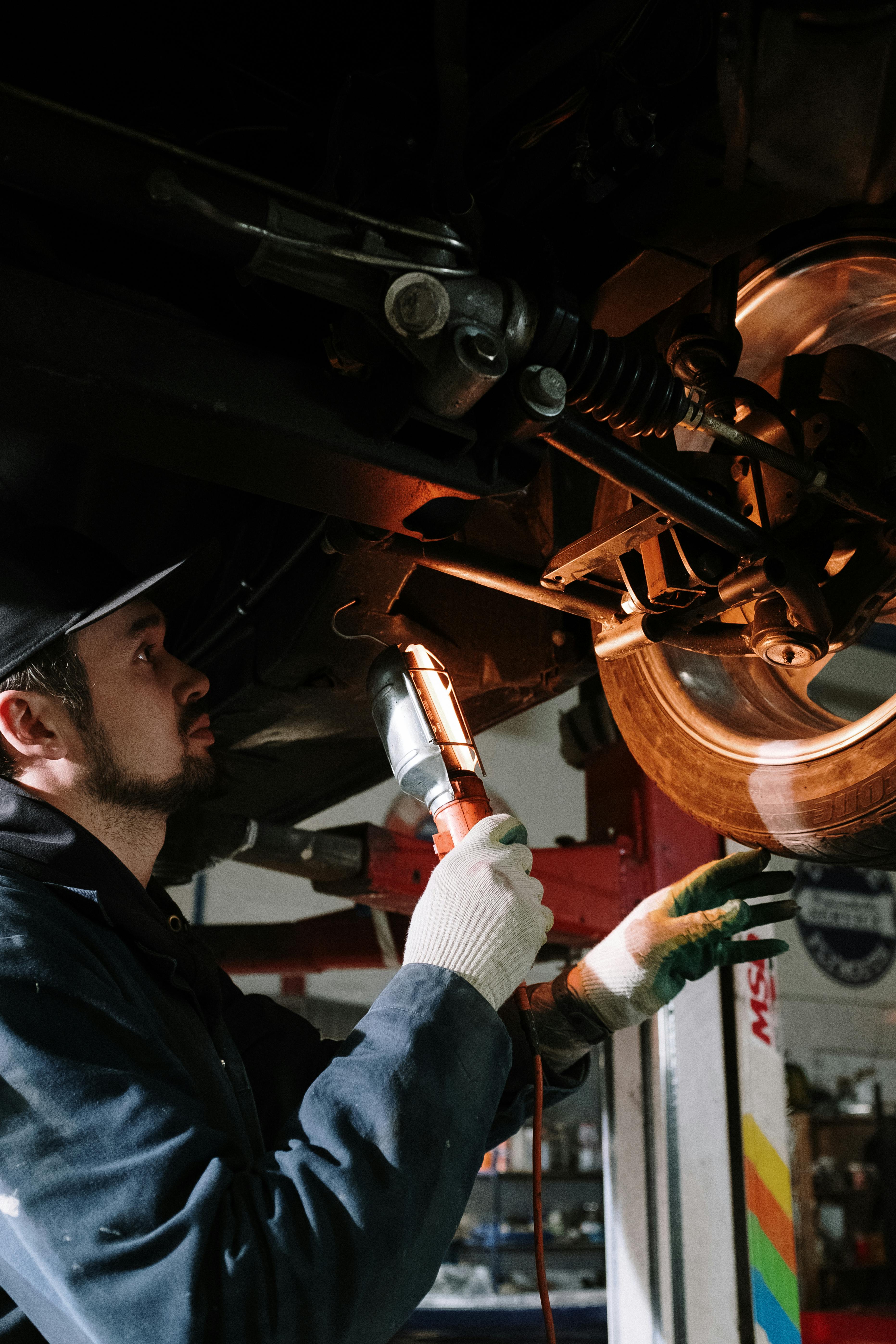
Before you can fix a staffing problem, you need to understand where your current team's time is actually going. In most shops, a significant chunk of a technician's day disappears into non-wrench activities: waiting on parts information, tracking down repair orders, deciphering handwritten notes, or standing around while a service advisor figures out what's next.
The real challenges for auto repair shops come from disconnected processes, scattered information, and inefficient workflows.
Do a quick audit. For one week, track how much time each technician spends on non-repair tasks. You might be surprised. Even recovering 30–45 minutes per tech per day adds up to multiple additional billable hours each week across your team — without hiring anyone.
Once you know where the time goes, you can target it directly with process changes and the right tools.
2. Match Jobs to the Right Technicians Every Time
One of the most underrated ways to boost output is skill-based job assignment. When you send a complex diagnostic to your newest hire just because they're free, you're setting everyone up to lose — slow repair, frustrated tech, unhappy customer.
Effective mechanic scheduling software lets you see at a glance who's available, what their strengths are, and which bay is open. That visibility allows you to dispatch the right job to the right person every time, reducing errors and cutting down on the re-work that eats into your margins.
Manual scheduling challenges lead to idle bays, uneven workloads, and stressed employees. Scheduling software that matches jobs to technician availability and bay capacity prevents overlapping or missed assignments and allows staff to focus on completing jobs instead of managing chaos.
The goal isn't to work your techs harder — it's to make every hour they spend count.
3. Use Digital Vehicle Inspections to Speed Up Approvals
Every minute a vehicle sits waiting for customer approval is time your tech could spend on the next job. Paper-based inspections, phone tag, and unclear estimates are approval killers. They slow your whole pipeline down.
Digital vehicle inspection (DVI) software changes the equation. When a tech completes a digital inspection with photos and clear notes, that information goes directly to the customer with a simple way to approve — no back-and-forth calls required. Approvals happen faster. Jobs move forward. Your tech stays in the bay working rather than waiting.
This single shift can meaningfully increase the number of completed repair orders per day without adding a single person to your payroll. Faster approvals mean a smoother pipeline for everyone on your team.
4. Standardize Your Workflows So Every Tech Knows What to Do Next
Ambiguity is expensive. When a tech finishes a job and has to hunt someone down to find out what's next, that's idle time burning money. When a service advisor needs to explain the same job three different ways because the process is inconsistent, that's wasted energy.
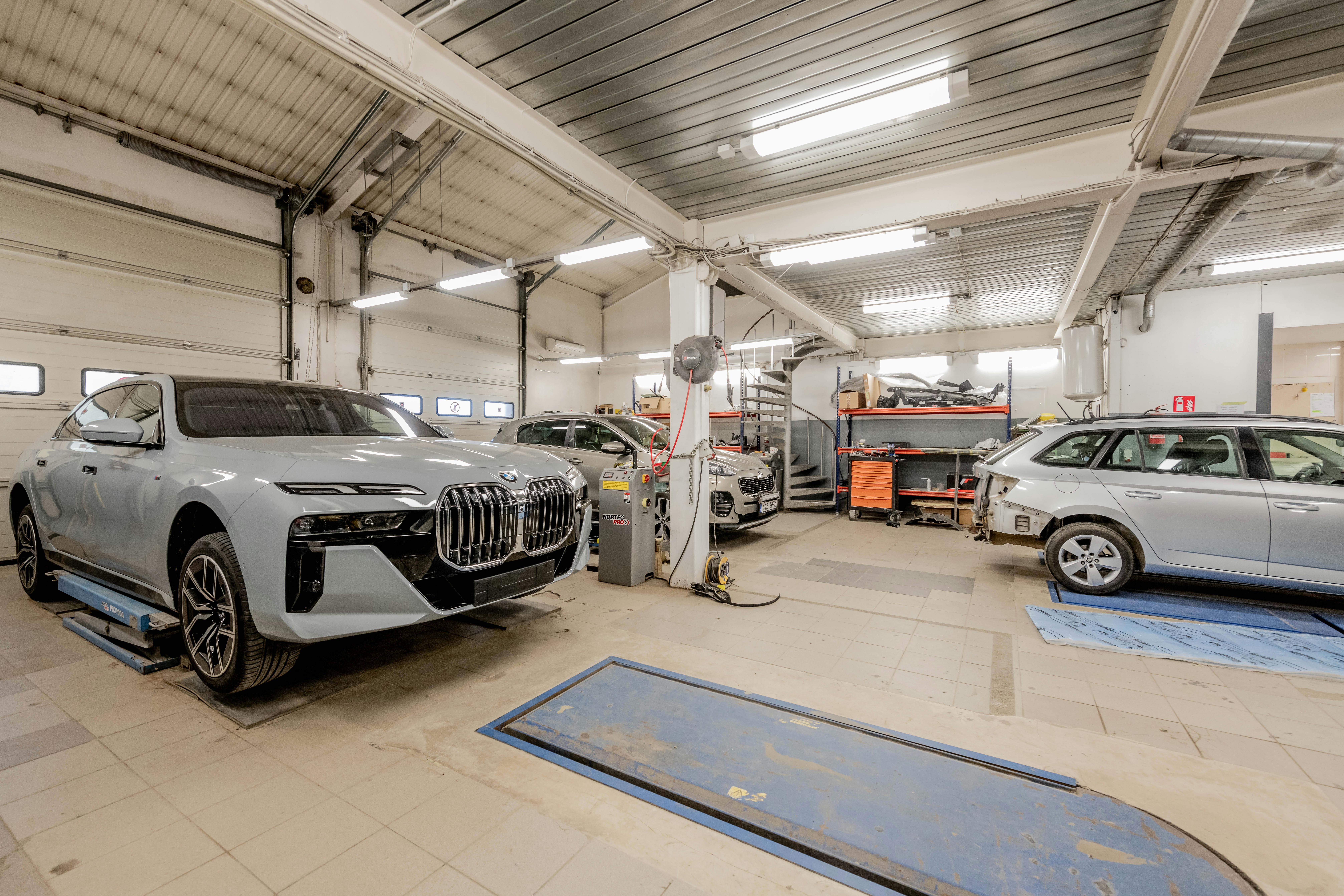
Standardized workflows solve both problems. A clear, repeatable process — from vehicle intake through inspection, estimate, approval, repair, and delivery — means every member of your team knows exactly what step comes next and what information they need to do it.
Document your ideal workflow. Map each step. Then make sure the tools you're using actually support that process rather than fighting against it. The best mechanic shop software reinforces your workflow instead of creating new friction.
5. Track Time and Productivity to Identify Your Real Bottlenecks
You can't fix what you can't see. Mechanic time tracking software gives you the data to understand exactly where jobs are stalling, which techs are carrying the load, and where your workflow breaks down under pressure.
This isn't about watching over your team's shoulder — it's about identifying the systemic issues that are slowing everyone down. Maybe parts delays are killing turnaround on certain job types. Maybe one bay consistently runs long because of its location or tooling. Maybe certain job categories take twice as long as estimated, which throws off your entire scheduling.
Efficiently run auto shops not only generate greater revenue but also attract and retain the best automotive technicians. When your techs see that you're using data to improve the shop — not punish them — time tracking becomes a tool for everyone's benefit, not a surveillance system.
Use your business insights dashboard to review performance weekly. Small, consistent adjustments compound over time into much better throughput.
6. Give Your Techs Mobile Access to Information
One of the quietest ways shops lose time is the back-and-forth between the bay and the front desk. Tech needs to check a repair order — walk to the front desk. Tech needs to look up a part — walk to the front desk. Tech has a question about a job — walk to the front desk.
Multiply those trips across a full team over a full day and you've lost a meaningful amount of productive time.
Mobile-first auto repair software gives your techs access to job information, inspection forms, and repair orders right on their phone or tablet — wherever they are in the shop. No unnecessary trips, no waiting around, no information bottlenecks.
Automation and smarter workflows allow teams to operate effectively with limited staff and mobile access is a core part of that equation. When every tech on your floor can see what they need to see instantly, the whole shop moves faster.
7. Create Clarity Around Roles, Expectations, and Growth
This one goes beyond software, but it's just as important. While 69% of shops agree that providing career paths is crucial for technician retention, only 10% have a formal program in place. Without a clear path forward, techs leave — not always for more money, but for more direction.
You don't need a complex HR program. You need clear job roles, defined expectations, and some sense of where a good tech can go if they perform well.
That clarity alone makes your shop a more attractive place to work and stay. Pair that with role-based access in your shop management software — so techs see what's relevant to them without getting overwhelmed — and you create a cleaner, more professional environment that signals you're running a serious operation.
When your shop runs well, word gets around. That reputation helps you recruit when you need to, even in a tight market.
The Bottom Line: Efficiency Is Your Competitive Advantage
The technician shortage isn't going away overnight. But shops that tighten their operations now — reducing wasted time, improving scheduling, speeding up approvals, and giving their teams the right tools — are going to pull ahead of the shops that are still waiting for things to go back to normal.
You don't need a bigger team to be more profitable. You need a smarter operation.
Baybolt is built for exactly that. Flat-rate pricing at $79/month, unlimited users, mobile-first design, bay management, mechanic time tracking, digital vehicle inspections, and a business insights dashboard — everything your shop needs to squeeze more productivity out of every hour, without adding to your overhead. No contracts, no per-seat fees, no bloat.
Ready to bolt up efficiency? Get started at https://www.baybolt.app



Modernize Your Shop.
Scale Your Success.
Streamline your diagnostics, scheduling, and shop management with Baybolt's all-in-one platform.
Start 14-Day Free Trial14 days free • Unlimited team members